How to Navigate the House Renovation Process

Planning a House Renovation can be an exciting opportunity to transform your property into a more functional, comfortable, and valuable home. Whether you're updating a single room or renovating your entire property, a well-planned approach helps minimise stress, control costs, and achieve the best possible results. By understanding each stage of the renovation process, you can make informed decisions and ensure your project runs smoothly from start to finish.
Start with a Clear Renovation Plan
Every successful House Renovation begins with careful planning. Before any work starts, identify your goals and priorities. Consider which areas of your home need improvement, whether you're modernising outdated spaces, creating more storage, or improving your home's energy efficiency.
Create a realistic budget that includes materials, labour, permits, and a contingency fund for unexpected expenses. Having a detailed plan helps avoid delays and ensures your renovation stays on track.
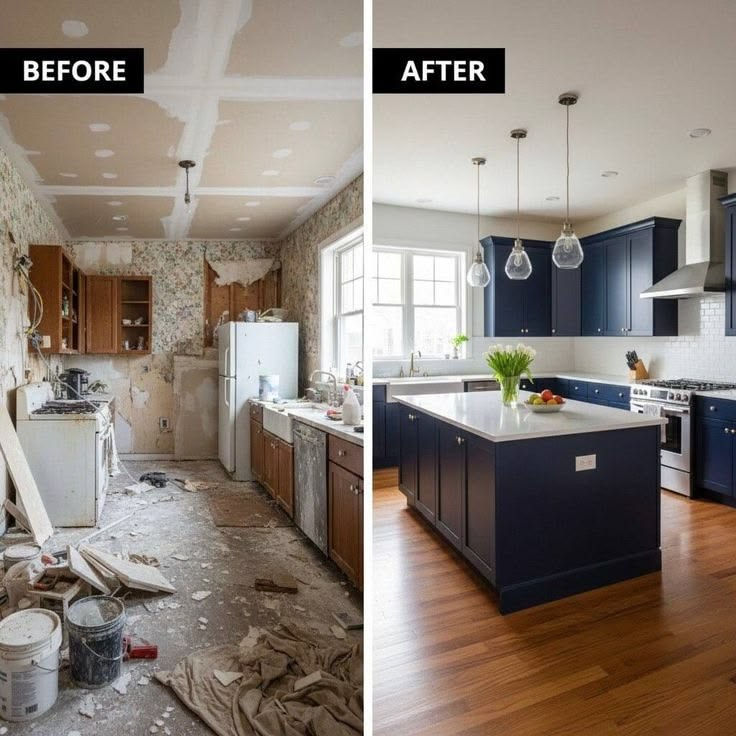
Choose the Right Renovation Professionals
Selecting experienced professionals is one of the most important decisions during a House Renovation. Working with a trusted building company ensures your project is completed to a high standard while meeting local building regulations.
Look for contractors who have experience with:
Home renovation services
Property refurbishment
House extensions
Kitchen renovations
Loft conversions
Always review previous projects, check customer testimonials, and request a detailed quotation before making your decision.
Set a Realistic Budget
One of the biggest challenges during any House Renovation is managing costs. While it's tempting to focus only on the visible improvements, remember to budget for structural work, electrical upgrades, plumbing, decorating, and finishing touches.
A contingency fund of around 10–15% is recommended to cover any unforeseen issues that may arise once work begins.
Understand the Renovation Timeline
Every renovation project is different. Smaller renovations may take a few weeks, while complete home refurbishments can take several months.
A typical renovation process includes:
Initial consultation and planning
Design and material selection
Building approvals (if required)
Demolition and structural work
Electrical and plumbing installation
Plastering and decorating
Final inspections and finishing work
Maintaining regular communication with your contractor helps keep the project on schedule.
Select Quality Materials
Using durable, high-quality materials improves both the appearance and longevity of your House Renovation. Investing in quality flooring, windows, insulation, roofing materials, and fixtures can reduce maintenance costs and increase your property's value.
Where possible, choose energy-efficient products to improve comfort and reduce future energy bills.
Stay Flexible Throughout the Project
Even with careful planning, unexpected issues can occur during a House Renovation. Hidden structural problems, outdated wiring, or plumbing issues may only become apparent once work has started.
Remaining flexible and working closely with your contractor allows problems to be resolved quickly without compromising the overall quality of the project.
Focus on Long-Term Value
A successful House Renovation in Twickenham should not only improve your current lifestyle but also increase your property's long-term value. Popular improvements such as kitchen renovations, loft conversions, modern bathrooms, open-plan living spaces, and home extensions often deliver an excellent return on investment.
Adding practical storage, improving natural light, and enhancing energy efficiency can also make your home more attractive to future buyers.
Final Inspection Before Completion
Before your renovation is signed off, carry out a thorough inspection with your contractor. Check that all agreed work has been completed, finishes meet your expectations, and any outstanding issues are resolved promptly.
Keeping records of warranties, certificates, and maintenance information will also prove valuable for future reference.
Conclusion
A well-managed House Renovation is one of the best ways to improve your home's comfort, functionality, and value. By planning carefully, setting a realistic budget, choosing experienced professionals, and using quality materials, you can enjoy a smooth renovation experience with lasting results. Whether you're planning a small refurbishment or a complete property transformation, taking the right approach from the beginning will help you achieve a beautiful and practical home that meets your needs for years to come.


Comments